
Selling Scrap Here Are the 7 Mistakes You Should Never Make
scrap buyers in Chennai
Each day, we shed or let go of scrap resources that we no longer require in our homes, workplaces, factories, warehouses, and in people’s hands when they’re working on a site. Scrap piles up quicker than you might think, from old machine parts, broken-down chores, to old electrical components, unused machinery, and more. When you think about selling your scraps, you think about it as something simple, which doesn’t show anything wrong, but that can really be done without knowing the several mistakes that many people and businesses can make that eventually make their scraps worthless, slow down the selling process, or even create environmental issues. In fact, the value of the scrap materials can be very high if these materials are implemented and managed appropriately. Knowing about the most frequent flaws can help you get the most out of your transactions and steer clear of additional hassles.
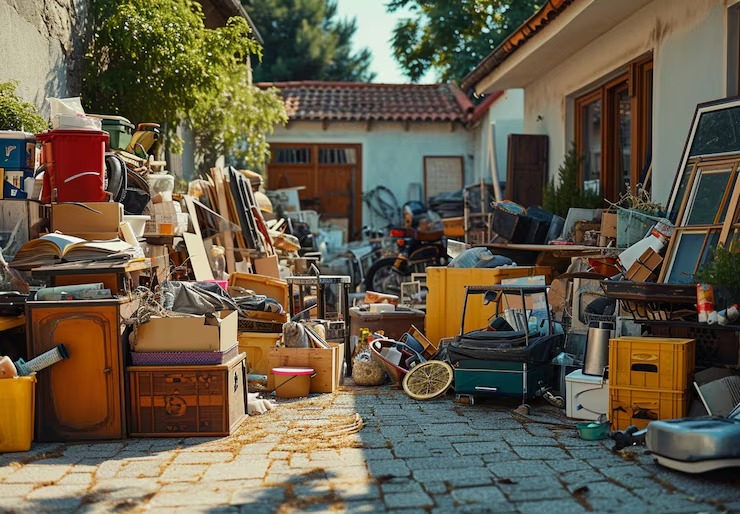
Let’s dive into this blog to explore before selling household, industrial or construction waste, or franchising out equipment, here are the seven top mistakes you can avoid and how are the reliable scrap buyers in Chennai can help you to find profitable scrap selling.
Mistake 1: Not Sorting Scrap Materials Before Selling
A major error made by sellers is blending all of the scrap. A lot of individuals think that grade is equivalent to grade, whatever form it takes. Well, in fact, various materials have varying market values. For instance, price structures differ with copper, aluminium, brass, stainless steel or used electronic parts. If the product is blended, often purchasers will require extra time to sort the product. This could devalue the property in general, and it can mean that you won’t get as much as you should.
There are several benefits to proper Segregation:
- Easier identification of valuable materials
- Faster evaluation process
- More accurate pricing
- Reduced handling costs
- Improved recycling efficiency
An easy sorting regimen can be worthwhile for businesses that produce considerable amounts of waste. One of the most effective ways to ease through the selling process and make it a more lucrative process is to separate materials from the start, that is, clearly labelled containers and designated storage areas. Before selling a scrap, it is more profitable to take the time to clean it up, thereby improving the outcome.
Mistake 2: Selling Without Knowing the Approximate Market Value
Many sellers will take the first bid that comes to them without realising the worth of their scrap materials. This can often result in lower educational attainment and consequently reduce income opportunities.
The price of the scrap may change because of several reasons, such as:
- Global metal demand
- Manufacturing activity
- Recycling industry trends
- Material availability
- Economic conditions
- Transportation costs
Sellers without a basic market awareness might have difficulty deciding if an offer on the right price. The exact price range will vary, but having an idea of the general range will help you get a good idea. There are various reasons why industrial businesses need to keep a close eye when it comes to scrap trends, particularly when large volumes of metal or equipment are removed from the premises.
High volume of scrap makes even a slight variation in price a big financial difference. An effective strategy to understand market trends and guarantee profits is getting quotations from several buyers. Some of the most powerful tools to make the most of your scrap materials are knowledge.
Mistake 3: Choosing a Scrap Buyer Based Only on Price
While the top quotation might appear obvious, considering the price alone can sometimes produce ineffective outcomes. A scrap buyer with a good reputation offers other things besides competitive prices. A professional buyer will likely provide the following terms:
- Transparent weighing procedures
- Accurate material assessment
- Timely payments
- Proper documentation
- Safe handling practices
- Reliable pickup services
- Environmentally responsible recycling
Some vendors can find themselves with hidden reductions, unclear calculations, deferred payments or further transportation expenses with an appealing initial offer.
When deciding to make a deal, review the following:
- Industry reputation
- Experience
- Customer reviews
- Licensing and compliance
- Collection capabilities
- Service quality
Businesses that produce a lot of scrap materials tend to have a smoother transaction with a trusted scrap buyer, which can be beneficial for them. Though it may be obvious, the lowest quote doesn’t always mean the best deal; it’s a combination of fair prices, reliability and professionalism.
Mistake 4: Ignoring Safety During Scrap Handling
Waste materials can result in many safety issues when not properly handled. Sharp edges, rusting metal, heavy parts, broken machinery parts and electrical equipment can all help to create a danger of injury. But with the collecting, storage or transportation of scrap comes a lack of basic precautions by many people.
Common risks include:
- Cuts and puncture wounds
- Muscle strains
- Crushing injuries
- Exposure to hazardous substances
- Electrical hazards
- Slips and falls
To enhance safety always:
- Wear protective gloves
- Use safety footwear
- Handle heavy materials with proper equipment
- Store scrap securely
- Remove dangerous obstructions
- Follow workplace safety guidelines
Staff should also be educated about the safe disposal of scrap. Safe awareness minimises the risk of accidents and injury to property and people. This not only avoids injuries but also contributes to a satisfactory, orderly process of scrap disposal.
Mistake 5: Allowing Scrap to Accumulate for Too Long
Many organisations postpone scrap disposal because it is not considered an immediate priority. However, as time goes on, there are many operational challenges built into a material that has been scrounged together from various sources.
Recognising that large piles of unused materials often:
- Occupy valuable workspace
- Restrict movement
- Reduce storage efficiency
- Create fire hazards
- Increase accident risks
- Affect workplace appearance
Uncontrolled waste in industrial sites can obstruct productivity and make inventory management tough. On construction sites, there could be a decrease in workspace, and extra logistical challenges may arise.
Waste disposal services can be of many advantages:
- Improved workplace organization
- Better operational efficiency
- Enhanced safety
- Additional revenue generation
- Easier inventory control
- Cleaner work environments
A more effective approach, however, is to introduce regular and planned programs for the disposal of scrap. Having a system in place for scrap management helps to eliminate needless clutter and aids in a smoother-running day. Keep in mind that when items remain in the corner of your room, they are locked up and could be sold for cash.
Mistake 6: Overlooking Environmental Responsibilities
Businesses and individuals alike are growing increasingly convinced of the need for responsible recycling. Unfortunately, some vendors target nothing more than disposal and fail to think about the materials that follow.
Scrap handling that’s not done properly can result in:
- Landfill expansion
- Resource depletion
- Soil contamination
- Water pollution
- Increased environmental impact
Valuable raw materials, which can be used for remanufacture, are recovered as part of the professional recycling processes. This decreases the demand to find fresh resources and helps sustainability initiatives.
When choosing a scrap buyer, check if environmentally responsible measures are being taken during the recycling process. Responsible companies typically:
- Ensure adherence to environmental laws
- Recycle properly
- Process materials safely
- Support resource conservation
- Reduce landfill waste
Additionally, companies that focus on sustainability in the area of waste disposal also reinforce their environmental image and corporate responsibility. Selecting the right recycling partner is not only environmentally advantageous, but it’s also good for your business.
Mistake 7: Failing to Remove Sensitive Data and Valuable Components
Electronic devices, computers, servers, communication equipment and industrial control systems are often included in modern scrap. Most sellers are concerned about the actual disposal of the equipment and neglect to cover their sensitive information.
Any discarded electronics could have:
- Business records
- Customer information
- Financial data
- Employee details
- Operational documents
- Proprietary information
Utilise secure protocols and procedures, and remove all data before disposal of electronic waste.
Furthermore, components of some equipment can be reused to have value. Sometimes motors, transformers, special parts, cables, batteries and electronic modules can be removed and tested separately.
Careful inspection before disposal assists in the identification of:
- Recoverable assets
- Reusable components
- Valuable metals
- Sensitive information requiring protection
These additional measures can help to not only enhance the bottom line but also alleviate security challenges. It is always a valuable effort to review thoroughly, even in the case of selling scraps.
How to Prepare Scrap for Maximum Value
The avoidance of mistakes is only half the job done. The potential outcome of any scrap transaction can be greatly improved with the proper preparation.
It is important to follow these best practices:
Clean the Materials: The ability of buyers to judge materials more fairly is increased through the removal of dirt and debris, oil, and unnecessary attachments.
Separate Valuable Metals: Identify and segregate high-value metals such as copper, brass, aluminium, and stainless steel whenever possible.
Organise Storage Areas: Keep separate collection areas to avoid contamination of materials.
Maintain Documentation: Records can make transactions easier and aid in inventory control for industrial scrap.
Schedule Timely Collections: Pickups contribute to maintaining clean facilities and avoiding build-ups.
Work with Established Buyers: Look for buyers with clear processes and professional service who offer responsible recycling solutions.
The Long-Term Benefits of Smart Scrap Management
A lot of organisations deemed the disposal of scrap rubbish as a housekeeping job. In fact, good scrap control can help to achieve other wider objectives.
Benefits include:
Increased Revenue Recovery: A well-organised scrap is a means of generating extra earnings from scrap that might otherwise be discarded.
Better Workplace Efficiency: The elimination of surplus materials enhances the flows and maximises the effectiveness of existing space.
Enhanced Safety Standards: This improves workplace safety and decreases hazards.
Environmental Sustainability: Recycling saves the environment and natural resources.
Improved Corporate Image: Professionalism and commitment to sustainability in responsible waste management.
Simplified Asset Management: Effective waste disposal strategies assist in tracking inventories and discovering unused assets.
While selling scrap goods might seem easy, there are some things to keep in mind to ensure you’re not sacrificing profits, safety, efficiency, and the environment. From the common issues that arise in handling household waste to industry junk, construction and metal wastes, knowing what to avoid may make a big difference when disposing of them. A well-planned strategy for scrap management that can generate the highest monetary value while also working efficiently, sustainably and responsibly. You can maximise the value of any unwanted scrap and benefit the environment at the same time by working with seasoned pulp and paper companies, and getting the job done right. If you want a stress-free scrap selling experience? Choosing a reliable scrap buyers in Chennai is the ideal choice for environmentally friendly disposal.